
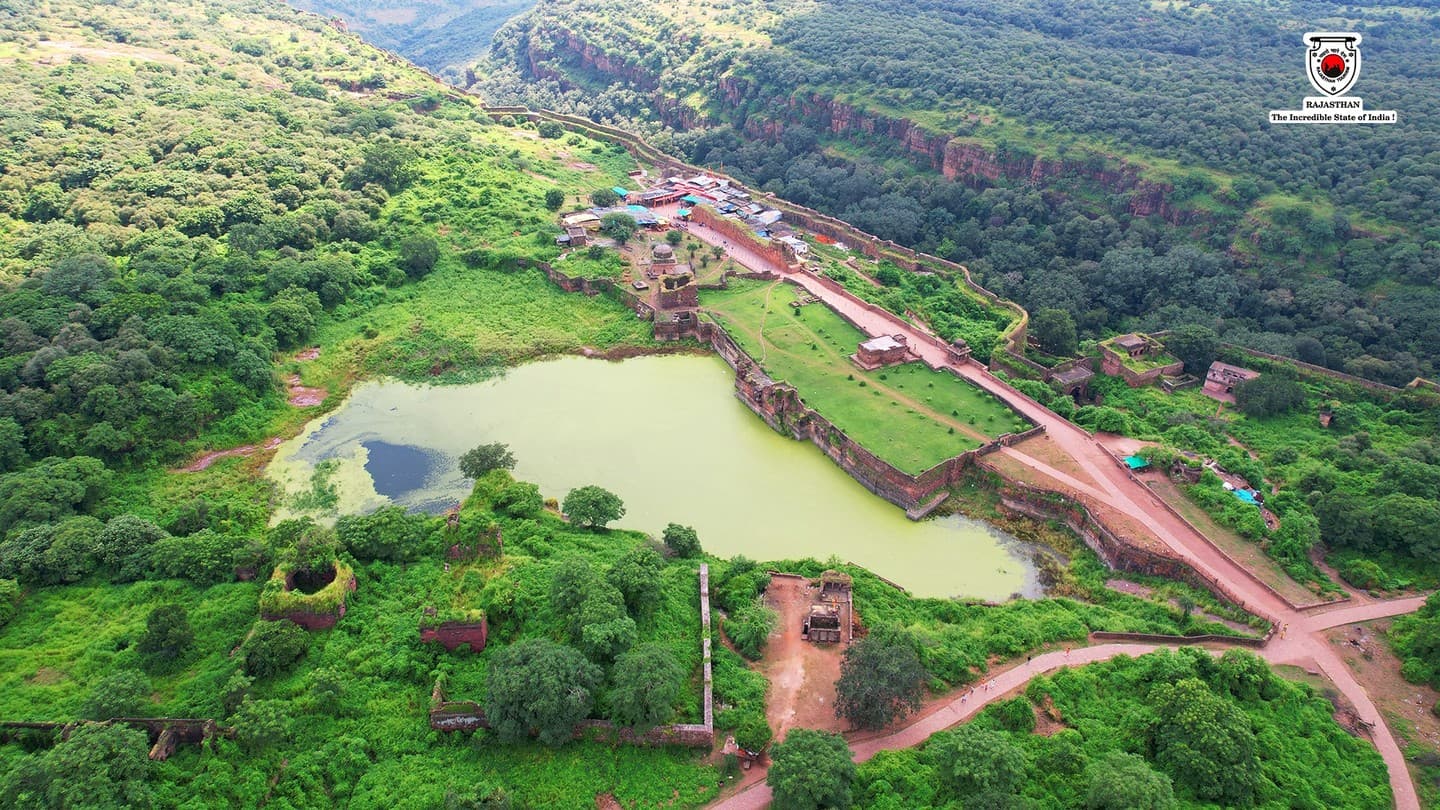
Fort, Temples and Museums

Heritage, Fort, Temples and Museums

Ranthambore is a living museum where the 10th-century fort, ancient temples, royal hunting pavilions, and modern conservation history rise from the wild landscape.

01

1973

Project Tiger Reserve

02

1,334km2

Tiger Reserve Area

03

215-505 m

Elevation

04

70+

Tiger Population

Overview

A Living Museum in Tiger Country

Ranthambore is not just about its tigers. It is a place where centuries-old temples, hunting pavilions, and majestic forts blend with untamed wilderness and a remarkable conservation story.

The Sentinel Above the Forest

The Ranthambore Fort, a UNESCO World Heritage Site, has stood as a sentinel of power since the 10th century. It overlooks the entire park and remains a proud reminder of Rajasthan's valor and resilience.

Within its walls are temples dedicated to Ganesh, Shiva, and Ramlalaji, each carrying its own devotional and historical significance.
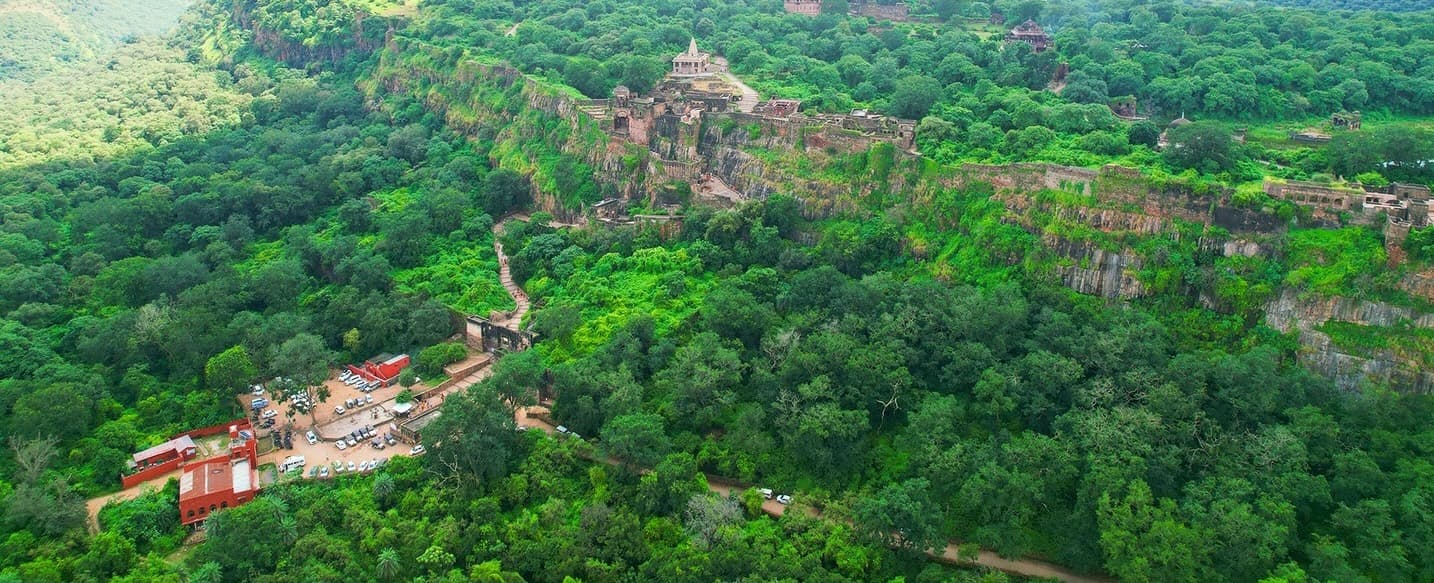
Ranthambore Fort walls overlooking the forest

A Fortress With Stories

Ancient Glory

Built by the Chauhan dynasty, the fort has witnessed sieges, battles, and shifting empires. Its strategic position atop a 700-foot hill gave it military advantage, while its stone ramparts, gateways, and temple architecture preserve the artistic brilliance of medieval India.

From Hunting Grounds to Sanctuary

Royal Legacy

Before becoming a wildlife sanctuary, Ranthambore served as the private hunting grounds of the Maharajas of Jaipur. Jogi Mahal and other hunting pavilions still offer glimpses of royal leisure in a landscape now protected for wildlife.

Preserving Natural Heritage

Modern Conservation

Ranthambore evolved from near ecological disaster to conservation success. It was among the first nine tiger reserves under Project Tiger in 1973, and today supports more than 70 tigers through protection, monitoring, anti-poaching work, and community participation.